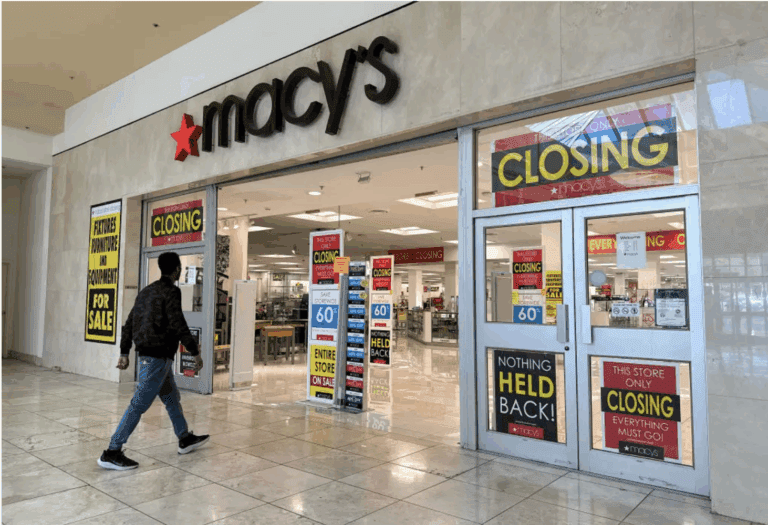
Macy’s, an iconic name in American retail, has been steadily downsizing its footprint across the United States. In recent years, Macy’s has shuttered dozens of locations as part of a strategic restructuring plan aimed at reducing costs and adapting to shifting consumer behaviors.
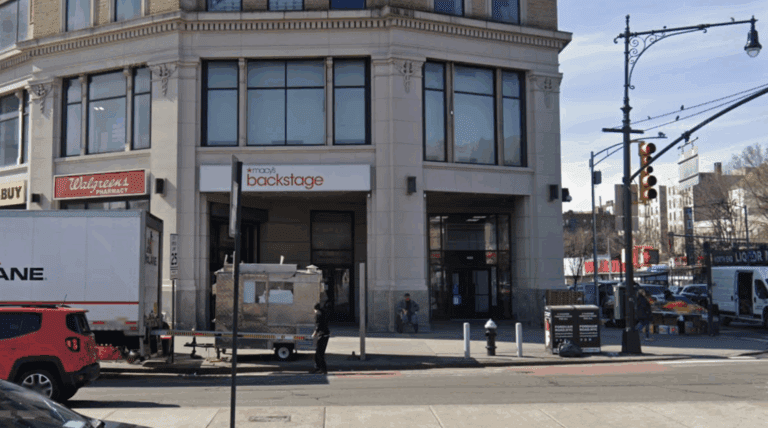
On January 9, 2025, Macy’s confirmed the closure of the Macy’s Backstage on Fordham Place in the Bronx. One of 66 stores set to close in 2025 as part of its Bold New Chapter strategy. Other stores closures in New York City include Sheepshead Bay, and Fulton Street locations in Brooklyn, Elmhurst location in Queens and the Staten Island Furniture.
“Tony Spring, Chairman and Chief Executive Officer of Macy’s, Inc. stated “we are closing underproductive Macy’s stores to allow us to focus our resources and prioritize investments in our go–forward stores, where customers are already responding positively to better product offerings and elevated service.
The Macy’s Backstage store opened in October 2015 promising to offer items at 20-80 percent off compared to traditional Macy’s stores. Macy’s inc signed a 35,200-sq.-ft. lease at 404 E. Fordham Road, now known as Fordham Place. Previously, the building was anchored by Sears for almost eight decades before that retailer closed its doors in November of 2014.
The 14-story mixed-use retail and commercial center sits at the intersection of East Fordham Road and Webster Avenue, just steps from the William D. Walsh Family Library at Fordham University’s Rose Hill Campus in the Bronx, New York City.
The Macy’s Backstage store currently offers apparel, shoes, fashion accessories, housewares, home textiles, and intimate apparel., The store is set to close at the end of the 1st quarter allowing them to focus on the remaining 33 locations spread out across New York City.
Clearance sales at the Macy’s backstage location will begin in February and will run for approximately 6 weeks. This presents a very unique opportunity for consumers.
Going-out-of-business sales offer savvy shoppers an opportunity to score significant discounts, but maximizing your savings requires a strategic approach. Here’s how to make the most of these sales while avoiding common pitfalls.
Start Early. Shop as soon as the sale begins. High-demand items like electronics, furniture, and name-brand products are likely to sell out quickly. Early visits also mean a better selection of sizes, styles, and colors.
Do Your Research Not all discounts are created equal. Before heading to the sale, compare prices online or at other retailers to ensure the so-called “deal” is actually worth it. Some stores may initially mark prices up before applying discounts.
Stick to a Budget. It’s easy to get carried away during a liquidation sale, but impulsive purchases can lead to overspending. Make a list of what you need and set a spending limit to stay focused.
Check the Return Policy Items sold during these sales are often final sale, meaning no returns or exchanges. Inspect products carefully for defects before purchasing.
Macy says on its website, “Merchandise purchased at Free Standing Macy’s Backstage on or after 2/3/2025 cannot be returned or exchanged at a closing store. Merchandise purchased prior to 2/3/2025 can be returned per Macy’s standard return policy at a designated register through 3/4/2025.” Customers can more easily access detailed information about local go-forward stores like Macy’s Parkchester and Macy’s Bay Plaza through the Customer FAQ
1441 Metropolitan Ave Fl 2
Bronx, NY 10462
250 Baychester Ave
Bronx, NY 10475
The rise of e-commerce giants like Amazon, coupled with changing shopping preferences, has led to a decline in foot traffic to brick-and-mortar stores. Customers now prioritize convenience, often choosing online shopping over visiting physical stores.
This closure reflects a broader trend in retail—shrinking demand for large department stores. Many locations, often anchors in shopping malls, have struggled to compete with discount retailers, fast-fashion brands, and niche boutiques. Macy’s has responded by investing in smaller-format stores, focusing on digital sales, and enhancing customer experiences through curated offerings and technology-driven solutions.
As Macy’s evolves to remain relevant, the closures serve as a poignant reminder of how rapidly the retail industry is transforming, requiring even the most established brands to innovate or risk fading into history. For local communities, Macy’s closures can have significant economic impacts, including job losses and reduced traffic to surrounding businesses. However, these closures also create opportunities for redevelopment and reimagining commercial spaces.
*This article is based on publicly available sources and is intended for informational purposes only. We do not claim ownership of the content used and encourage readers to refer to the original materials from their respective authors.