House hacking is one of the smartest ways to live rent-free but let’s be honest, not every property starts out looking like a Pinterest dream. Some show up more like a “diamond in the rough with questionable carpet choices.”
The good news? A few modest upgrades can make your house hack profitable. These strategic upgrades can dramatically increase rent potential, attract better tenants, and make your property feel like a place people actually want to live (imagine that!).
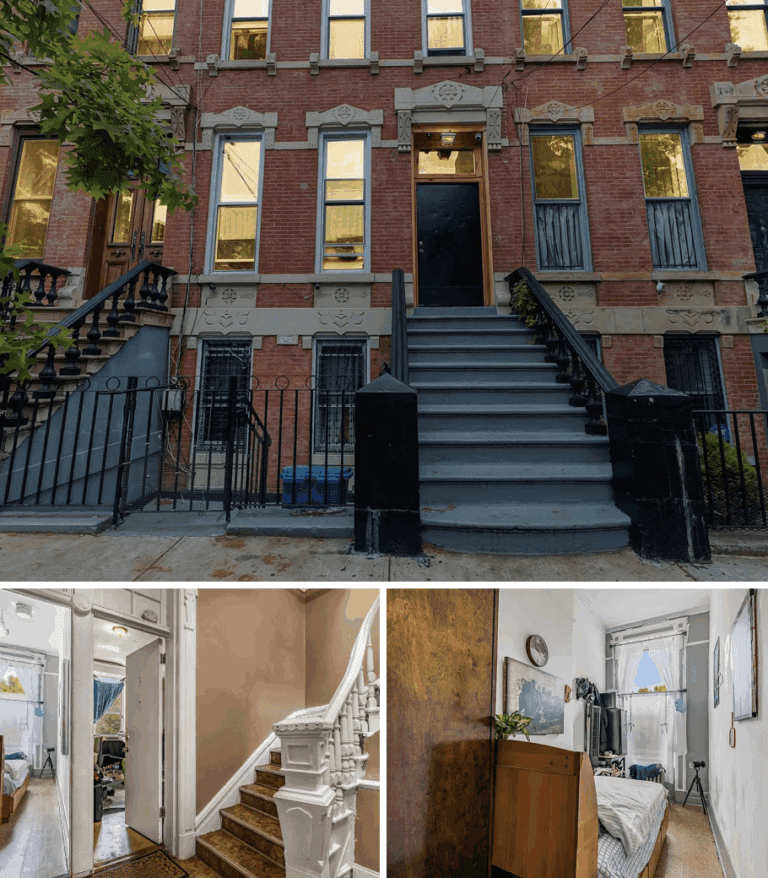
If you’re house hacking a duplex, triplex, or a Bronx brownstone with character these five upgrades will deliver the biggest bang for your buck.
1. Kitchen Glow-Ups That Rent Themselves
The kitchen is the heart of the home… and the deciding factor for most renters. If your kitchen screams “2003 landlord special,” it’s time for a glow-up.
You don’t need a full gut renovation. Focus on high-impact cosmetic upgrades that make the space feel modern and clean.
Start with cabinet refreshes. Painting cabinets in neutral tones like white, navy, or sage can completely transform the room. Add modern hardware; think matte black or brushed brass and suddenly your kitchen looks intentional instead of accidental.
If the budget allows, swap out outdated countertops. Affordable quartz or butcher block instantly elevates the space. Pair that with a stylish backsplash and you’ve created a kitchen that photographs beautifully for listings.
Lighting also matters. A sleek pendant light or modern flush mount fixture can make the space feel designer without designer prices.
Remember: renters love kitchens that feel fresh, bright, and functional. If your kitchen looks good in photos, your listing will get more clicks and more applicants.
2. Bathroom Upgrades That Feel Like a Mini Spa
Bathrooms are another place where renters immediately judge a property. A tired bathroom with cracked tiles and dingy fixtures will drag down your rental value fast.
But here’s the good news: bathrooms are one of the easiest rooms to upgrade.
Start with the basics. Replace outdated faucets, showerheads, and towel bars with modern finishes like brushed nickel or matte black. These swaps are inexpensive but instantly elevate the look.
Next, consider refreshing caulk lines and the grout. It sounds small, but clean grout makes the entire bathroom look newer.
If your vanity looks like it survived three decades of questionable tenants, replace it with a simple modern vanity and mirror combo. Even budget versions can completely transform the space.
Finally, upgrade the lighting. Bright, warm lighting around the mirror makes the bathroom feel bigger and more inviting.
Renters may not expect a luxury spa, but they absolutely appreciate a bathroom that feels clean, modern, and well maintained.
3. Soundproofing (Because Roommates Are… Loud)
House hacking often means sharing walls, floors, or ceilings with tenants. And if you’ve ever lived above someone who practices tap dancing at midnight, you already understand the importance of soundproofing.
Adding insulation between units or floors can dramatically improve comfort for everyone in the house. Acoustic insulation in ceilings or shared walls reduces noise transfer and makes the living experience far more peaceful.
You can also install solid core doors instead of hollow ones, which block sound much better. Door sweeps and weather stripping also help reduce noise travel.
If you want to go the extra mile, consider adding resilient channel drywall systems in shared walls during renovations.
Why does this matter? Because happy tenants stay longer—and fewer complaints mean fewer headaches for you.
Peace and quiet is an underrated luxury in a house hack.
4. Separate Entrances for Privacy and Profit
If there’s one upgrade that dramatically increases rental appeal, it’s a separate entrance.
Tenants love privacy. They don’t want to feel like they’re living inside someone else’s space. A private entrance gives each unit its own identity and makes your property feel more like independent apartments instead of “rooms in someone’s house.”
This upgrade can also increase your rent potential because renters value autonomy.
In multifamily properties, this might mean creating a direct entry to a basement apartment or converting a side door into a dedicated unit entrance.
In single-family house hacks, it could mean reconfiguring a finished basement with a private access door.
Separate entrances can also help with legal compliance depending on local housing rules, which is a bonus if you’re planning to rent long term.
Privacy sells and it rents quickly.
5. Durable Flooring That Survives Real Life
Carpet and rentals rarely mix well. Between spills, pets, and everyday wear, carpet tends to age fast and look tired.
Upgrading to durable flooring is one of the smartest long-term investments you can make.
Luxury vinyl plank (LVP) flooring has become the MVP of rental properties. It’s waterproof, scratch resistant, easy to install, and much cheaper than hardwood.
It also looks great in photos and gives the entire property a cohesive modern feel.
Another benefit? Maintenance becomes dramatically easier. Instead of replacing carpet between tenants, you simply clean the floors and move on.
For high-traffic rentals, durability equals lower turnover costs—and that means more profit for you.
The Real Secret to a Successful House Hack
The most successful house hackers don’t just buy properties they optimize them.
Strategic upgrades make your property more attractive, easier to manage, and more profitable over time. And the best part? Most of these improvements don’t require massive renovation budgets.
Think of your house hack like a small business. Every upgrade should improve tenant experience, increase rent potential, or reduce maintenance headaches.
Do that consistently, and your humble starter property can transform into a cash-flow machine.
And honestly? There’s nothing better than living rent-free while your tenants pay the mortgage.
*This article is based on publicly available sources and is intended for informational purposes only. We do not claim ownership of the content used and encourage readers to refer to the original materials from their respective authors